
Trampoline exercise—whether on a large backyard trampoline or a mini rebounder—is widely praised for its health benefits, from improving cardiovascular endurance to strengthening muscles and lymphatic circulation. However, like any form of physical activity, it also carries certain risks and disadvantages that must be considered carefully. While trampolining can be a fun and effective workout, understanding its drawbacks helps individuals make informed decisions about how to practice it safely and effectively.
Below is an in-depth discussion of the main disadvantages of trampoline exercise, covering physical risks, limitations, practical challenges, and suitability for different users.
1. Risk of Injury
The most significant disadvantage of trampoline exercise is the potential for injury. According to studies and safety organizations such as the American Academy of Pediatrics (AAP), trampoline-related injuries are relatively common—especially when trampolines are used without proper supervision or equipment safety measures.
Common trampoline injuries include:
- Sprains and Strains: These occur when landing awkwardly or twisting a joint while bouncing. Ankles and knees are particularly vulnerable.
- Fractures: Misjudged landings or collisions can cause fractures, particularly in the arms, wrists, and collarbones.
- Head and Neck Injuries: Serious injuries may occur if a person lands on their head or neck, leading to concussions, spinal damage, or even paralysis in severe cases.
- Cuts and Bruises: Even on mini rebounders, improper use can cause minor skin abrasions or bruising around the legs and feet.
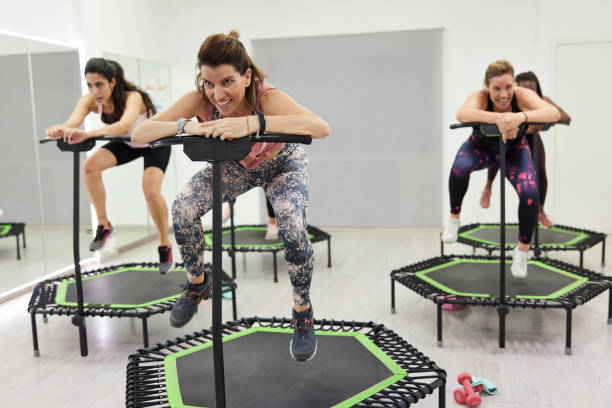
Most mini trampoline workouts (like Boogie Bounce or Rebound Fitness) are safer than outdoor trampolining because they involve structured, low-impact movements and safety handrails. However, the risk is not zero. Beginners who lack coordination or balance can easily lose control, leading to joint strain or falls.
2. Improper Form and Technique
Another drawback of trampoline workouts is that improper technique can lead to ineffective or unsafe exercise. Unlike stationary cardio machines, trampolining requires balance, posture, and rhythm. Without correct form—keeping the core engaged, knees slightly bent, and shoulders relaxed—people may strain their back or overuse certain muscles.
For example, bouncing with stiff knees or landing too heavily on the heels can stress the joints and spine. Similarly, jumping too high increases impact upon landing, negating the low-impact benefits of rebounding. Because trampolining feels playful, some users underestimate the need for structured instruction.
Beginners should ideally start under professional supervision, such as in a rebound fitness class, where instructors guide proper movement and pacing. Without this, users may develop poor habits that not only limit results but also increase the risk of discomfort and pain.
3. Limited Strength Training Potential
While trampoline exercise is excellent for cardiovascular health and endurance, it has limited strength-building potential. The soft, elastic surface reduces resistance, meaning that muscle development is less targeted compared to weight training or bodyweight exercises performed on solid ground.
For example, while rebounding engages leg muscles (especially calves and thighs), it doesn’t significantly build strength in the upper body or improve bone density as much as resistance exercises. People looking for substantial muscle growth or bone reinforcement will need to supplement trampoline workouts with weightlifting, resistance bands, or calisthenics.
Additionally, because the rebounder’s surface absorbs much of the force, the skeletal system receives less impact stress. While this is good for joint protection, it can limit the osteogenic benefits—the bone-strengthening effects—associated with more weight-bearing exercises such as walking or running.
4. Expense and Space Requirements
Trampoline workouts require specialized equipment that can be costly and space-consuming. A high-quality rebounder suitable for fitness can cost anywhere from $100 to $400, and even more for commercial-grade models. Cheaper trampolines may not provide proper bounce control, stability, or durability, which can compromise both safety and performance.
In addition, rebounders take up physical space. While small compared to full-sized trampolines, they still require a flat, open area to ensure safe movement. Those living in small apartments or shared homes may find it difficult to accommodate a trampoline safely. Storage can also be a challenge since some models, although foldable, are still bulky.
Moreover, for group or class-based trampoline workouts, studio owners face additional costs related to maintenance, safety inspections, and insurance—factors that can increase membership or class fees.
5. Not Suitable for Everyone
Although rebound exercise is marketed as low-impact, it’s not ideal for all individuals. People with certain medical conditions, injuries, or mobility issues should consult a healthcare provider before starting trampoline workouts.
- Joint or Bone Conditions: Those with severe arthritis, osteoporosis, or chronic knee pain may find the repetitive bouncing uncomfortable.
- Balance Disorders: Individuals with vertigo or balance impairments might experience dizziness or instability during trampoline use.
- Heart Conditions or High Blood Pressure: Since trampoline workouts can quickly raise the heart rate, they may not be suitable for those with certain cardiovascular restrictions unless medically cleared.
- Pregnant Women: While gentle rebounding can sometimes be safe during early pregnancy, the hormonal changes that loosen ligaments increase the risk of falls and joint strain. Professional guidance is essential.
Therefore, while many people can benefit from trampoline fitness, it’s not universally appropriate. Proper screening and modification are important to prevent complications.
6. Short Learning Curve and Overexertion Risk
Trampolining may look simple, but mastering it requires coordination and endurance. Beginners often underestimate the intensity of the workout and may overexert themselves during the first few sessions. This can lead to excessive fatigue, muscle soreness, or dizziness.
Because rebound exercise engages stabilizing muscles constantly, new users may experience unexpected strain in the core, calves, and lower back. Without proper pacing, dehydration or muscle cramps can occur. Overtraining also diminishes results and may cause burnout.
Additionally, as the workout relies heavily on rhythm and balance, beginners might find it frustrating if they struggle to keep pace with a class or choreographed routine. This can affect motivation and consistency—two crucial components of long-term fitness success.
7. Limited Workout Variety
While trampoline workouts are enjoyable, some people may find the routines repetitive over time. Most rebound fitness classes focus on cardio-based routines involving jumps, sprints, and squats, with occasional upper-body movements using light weights or resistance bands. For individuals who crave variety—like yoga, strength circuits, or cycling—the repetitive motion of bouncing might become monotonous.
This limitation means that trampolining should ideally be part of a broader fitness plan, complemented by other forms of exercise to prevent plateauing and maintain motivation.
8. Maintenance and Durability Concerns
Trampolines, like all exercise equipment, require regular maintenance. Springs or bungee cords can wear out, mats can lose tension, and frames can loosen over time. Failure to inspect and replace parts can lead to instability and accidents. Outdoor trampolines are even more susceptible to weather damage, which reduces their lifespan and safety.
Even mini rebounders used indoors must be checked periodically. Users should ensure that legs are firmly attached, surfaces are even, and the mat has no tears or weak spots. Neglecting these safety checks can turn a fun workout into a dangerous one.
Conclusion
While trampoline exercise offers a unique, low-impact, and enjoyable way to improve cardiovascular health, balance, and endurance, it’s not without disadvantages. Injury risk, limited strength development, cost, and suitability issues are real concerns that users must take into account. Beginners, in particular, should approach trampolining with caution, focusing on proper form, equipment quality, and gradual intensity increase.
For many, trampolining is best used as part of a balanced fitness regimen rather than the sole form of exercise. By combining it with resistance training, flexibility work, and adequate rest, individuals can maximize the benefits while minimizing the risks.
In short, trampoline exercise can be a fantastic workout when practiced responsibly — but awareness, moderation, and safety are essential for long-term success and injury prevention.
Common questions about rebound fitness
Does rebounding flatten the stomach?
Rebounding also strengthens the pelvic floor muscles and deep abdominal muscles (the muscles that help give us a flat tummy!)
Who should avoid rebounding?
Rebounding is a fun, low-impact way to move your body — but it isn’t for everyone. The short answer: people with heart problems, fragile bones, eye conditions, or recent injuries should steer clear.
How long should I rebound for weight loss?
It depends on your current weight and fitness level, but many people will see noticeable results with consistent rebounder workouts three to four times a week for 20 to 30 minutes per session. If you’re just starting out, you can do just five or 10 minutes a day and gradually work your way up
Other related articles
Best Bounce Fitness Trampoline in Oklahoma USA Top Rebounders Work out Studios
Best Bounce Fitness Trampoline in Ohio USA Top 4 Rebounders Work out Studios near you
Best Rebound Fitness mini Trampoline in Kansas USA 4 Top Rebounders Work out Studios near you

Boogie Bounce is a fun and dynamic fitness program that uses a mini trampoline (rebounder) to perform a combination of Read more