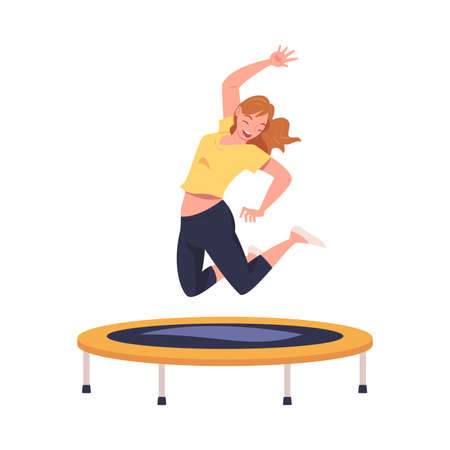

Bounce Fit Body — or any form of mini-trampoline rebounding workout — has gained widespread popularity for being a fun, effective, and low-impact way to stay fit. Many people turn to these workouts as an alternative to high-impact exercises like running, plyometrics, or aerobics, which can strain the knees, hips, and ankles over time. But the question often arises: Is Bounce Fit Body really good for your joints?
In short — yes, Bounce Fit Body is generally joint-friendly, and for many people, it can actually help protect and strengthen the joints when done correctly. However, like any workout, it depends on proper technique, gradual progression, and individual health conditions. Let’s explore in detail how rebound exercise affects your joints, what benefits it offers, and what precautions are needed to keep your joints safe and healthy.
1. Understanding the Impact of Exercise on Joints
Every time you move — whether walking, jogging, or jumping — your joints absorb impact. High-impact exercises like running or jumping on hard surfaces can put two to three times your body weight of force on your knees and ankles. Over time, this repetitive impact may contribute to joint wear and tear, particularly in people who are overweight, older, or already have mild arthritis.
On the other hand, low-impact exercises distribute this pressure more gently. That’s where Bounce Fit Body shines — its trampoline surface absorbs up to 80% of the shock from your movements. Instead of your knees and hips taking the full brunt of the force, the mat’s elasticity disperses it evenly, reducing stress on the connective tissues, ligaments, and cartilage.
This makes rebounding particularly beneficial for individuals recovering from injuries, managing arthritis, or looking for a safer long-term workout that still challenges the cardiovascular system.
2. How Bounce Fit Body Protects the Joints
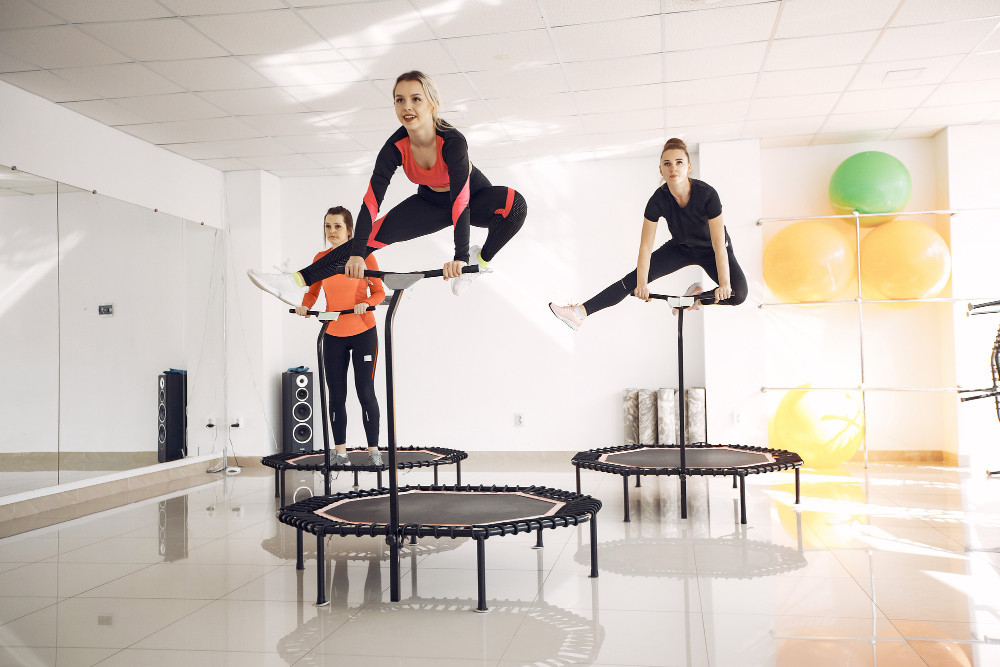
The core advantage of Bounce Fit Body lies in the physics of the trampoline. Unlike hard floors, the rebounder’s mat flexes with every bounce, creating a cushioned landing that reduces impact. Here’s how it benefits the joints specifically:
- Shock Absorption: Each jump generates downward force, but the mat absorbs and redistributes it through the springs or bungee cords. This means your knees, hips, and spine don’t have to absorb as much of the landing impact.
- Even Weight Distribution: The soft, responsive surface allows your body to land evenly, minimizing joint compression and uneven stress distribution that often causes pain or injury.
- Improved Joint Lubrication: Gentle rebounding stimulates synovial fluid production — the natural lubricant inside joints that helps reduce friction and stiffness. Over time, this can improve joint mobility and comfort.
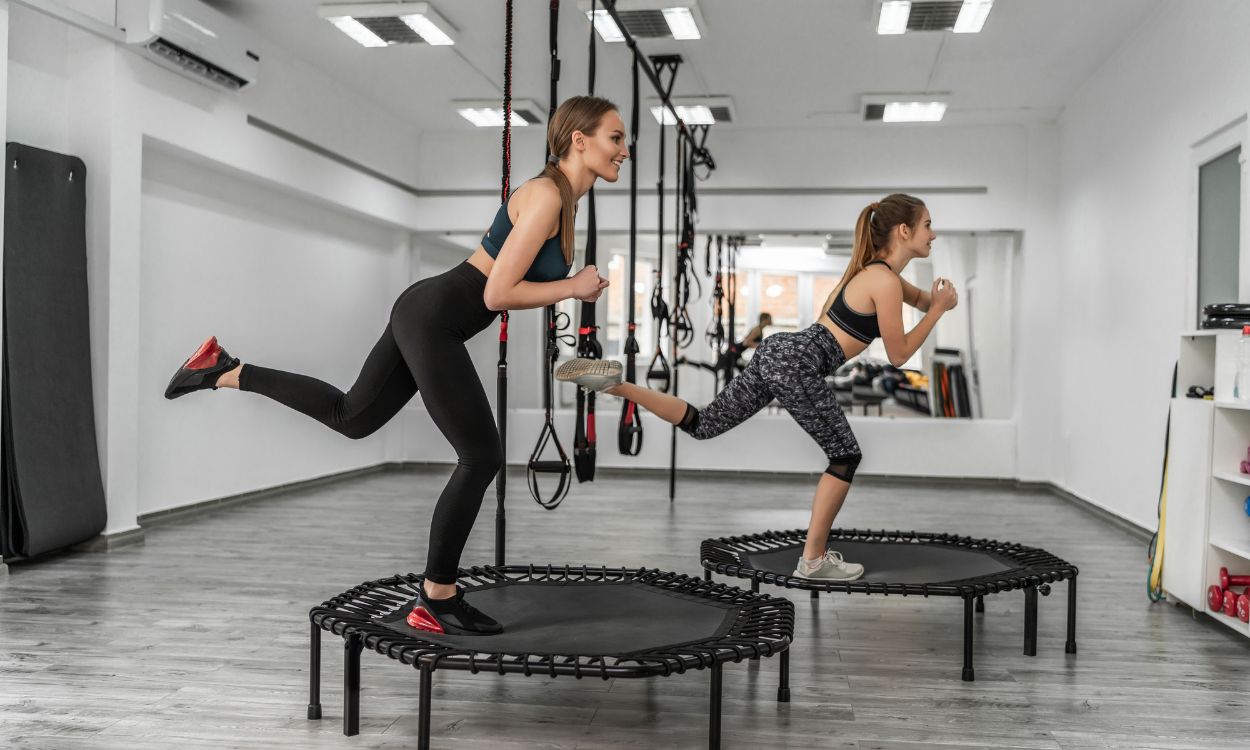
- Strengthening of Support Muscles: The small stabilizing muscles around your knees, hips, and ankles are continuously engaged while rebounding. This strengthens them, providing better joint stability and alignment.
Unlike walking or cycling, rebounding requires constant micro-adjustments to maintain balance. These subtle corrections train the body’s proprioception (awareness of joint position), which can help prevent injuries caused by missteps or uneven surfaces.
3. Joint-Specific Benefits
Knees
For those with knee discomfort, Bounce Fit Body can be a great alternative to jogging or step aerobics. The gentle bounce minimizes compressive forces while still strengthening the quadriceps, hamstrings, and calves — all crucial muscles for supporting knee function. Stronger leg muscles mean less strain on the knee joint itself, improving overall stability and endurance.
Hips
The bouncing motion encourages hip mobility without jarring the joint. The rhythmic motion helps to maintain flexibility and circulation in the hip area, which is particularly beneficial for those with sedentary lifestyles or early signs of hip stiffness.
Ankles
Because rebounding improves balance and coordination, it enhances ankle strength and resilience. The controlled landings teach your ankle stabilizers to react quickly and evenly, reducing the risk of sprains or instability.
Lower Back and Spine
The trampoline surface reduces vertical impact through the spine, making rebounding more forgiving than running or jumping on hard ground. Gentle bouncing stimulates spinal fluid circulation, promoting better posture and reducing tension in the lower back muscles.
4. The Role of Lymphatic and Circulatory Benefits
One of the often-overlooked benefits of Bounce Fit Body is its impact on the lymphatic system. The up-and-down motion of rebounding acts as a natural pump for the lymphatic network, helping flush out toxins and reduce inflammation throughout the body — including the joints.
Chronic joint pain often correlates with inflammation, whether due to injury or arthritis. By improving lymphatic drainage and circulation, rebounding supports the body’s ability to manage inflammation more effectively. This not only improves joint comfort but may also contribute to faster recovery after workouts.
5. Potential Risks and Precautions
While Bounce Fit Body is low-impact, it isn’t risk-free. Poor form or overexertion can still place strain on your joints if done incorrectly. Here are key precautions to ensure joint safety:
- Maintain Proper Form: Always keep your knees slightly bent when landing. Locking your knees increases pressure on the joints and reduces the cushioning benefit of the trampoline.
- Start Gently: Beginners should start with gentle bounces (often called “health bounces”), where the feet barely leave the mat. This allows your muscles and joints to adapt gradually.
- Wear Supportive Shoes: Good-quality trainers with cushioning and ankle support can further reduce stress on joints.
- Check Equipment Quality: A sturdy, high-quality rebounder with stable springs or bungees ensures smoother impact absorption. Avoid cheap or unstable trampolines that can wobble or tilt.
- Avoid Overuse: Like any exercise, overtraining can cause inflammation or fatigue. Aim for 20–30 minutes per session, 3–5 times a week, and rest when needed.
- Consult a Professional: Those with severe arthritis, recent surgery, or chronic joint conditions should seek medical clearance before starting.
If used mindfully, rebounding can become a lifelong exercise suitable even for older adults or those recovering from injury — groups who often avoid traditional workouts due to joint discomfort.
6. Long-Term Effects on Joint Health
Over time, consistent participation in Bounce Fit Body workouts can contribute to stronger, more resilient joints. By building the muscles that support your joints and improving balance and posture, you reduce your risk of future joint degeneration and injury.
Additionally, regular rebounding enhances circulation, which delivers more oxygen and nutrients to joint tissues. This aids in repair and regeneration, slowing down the natural wear-and-tear process that comes with aging.
The dynamic motion also maintains flexibility in the tendons and ligaments, preventing stiffness — a common issue that limits joint mobility as people grow older.
7. When Bounce Fit Body May Not Be Ideal
While rebounding suits most people, it’s not recommended for everyone. Individuals with severe osteoporosis, advanced arthritis, or joint replacement surgeries should consult a physiotherapist or doctor before participating. In such cases, too much movement may still irritate inflamed joints or disrupt healing tissues.
Those with balance disorders or vertigo should also exercise caution, as the continuous motion may cause dizziness. For them, using a support handlebar or starting with seated rebound exercises may help.
Common questions about bounce fitness
What is bounce fitness?
Bounce fitness or mini trampoline fitness for everyone, all ages and abilities can participate in this cardio-jumping class that’s famous for fun. High cardio workouts, but low impact on the body and mind.
Is bounce good for weight loss?
The Truth About Rebounding for Weight Loss The truth is that rebounding is really no different than any other cardiovascular exercise. Theres nothing magical about rebounding, compared to running, swimming, cycling, rowing, etc. They all burn similar amounts of calories, if the heart rates are the same.
What are the benefits of 20 minutes of rebounding?
Increases self-confidence. …
Strengthens the heart, by working the cardiovascular system.
Helps circulate oxygen to tissues. …
Aids lymphatic circulation. …
Gives your body an increased G-force (or gravitational load). …
Increases lung capacity.
Lowers blood pressure.
Does rebounding lose belly fat?
Yes, rebounding can help lose belly fat as part of overall fat loss. It’s an effective aerobic exercise that burns calories and improves cardiovascular health.
Conclusion
Overall, Bounce Fit Body is highly beneficial for joint health when performed correctly and with the right precautions. The gentle, rhythmic movement protects the joints from harsh impact while improving muscle strength, coordination, and flexibility. It promotes better joint lubrication, reduces inflammation, and enhances overall mobility — all essential factors for healthy aging and injury prevention.
For people with joint concerns who still want a fun, challenging workout, rebounding offers an ideal middle ground. It delivers cardio benefits similar to running but without the pounding impact. However, it’s important to remember that technique matters — improper form or overtraining can still lead to joint strain.
When done safely, Bounce Fit Body can truly be a joint-friendly, full-body workout that supports long-term mobility, strength, and comfort. It’s more than just a fitness trend; it’s a scientifically supported, sustainable way to keep your body active — and your joints happy — for years to come.
Other related articles
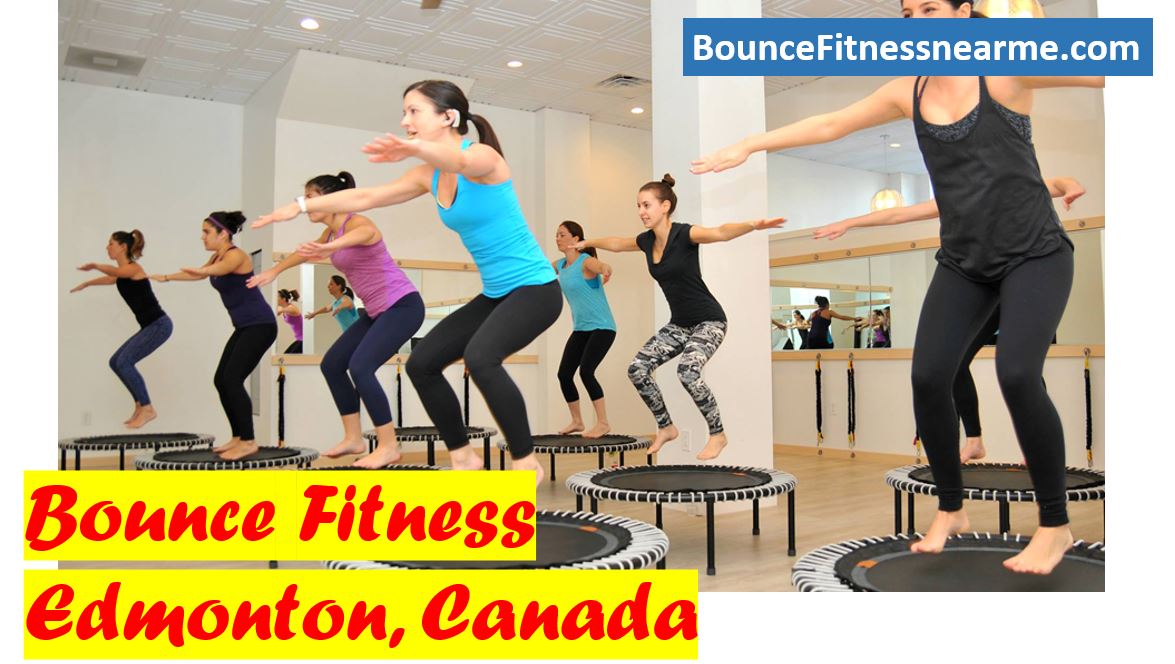
In Edmonton, studios like Soar Bounce Fitness, Studio B Fitness, and LaunchPad Trampoline Park are at the forefront of this Read more

Bounce-fitness (mini-trampoline / rebound-style) workouts are a fun, low-impact form of cardio that are ideal for people wanting a workout Read more
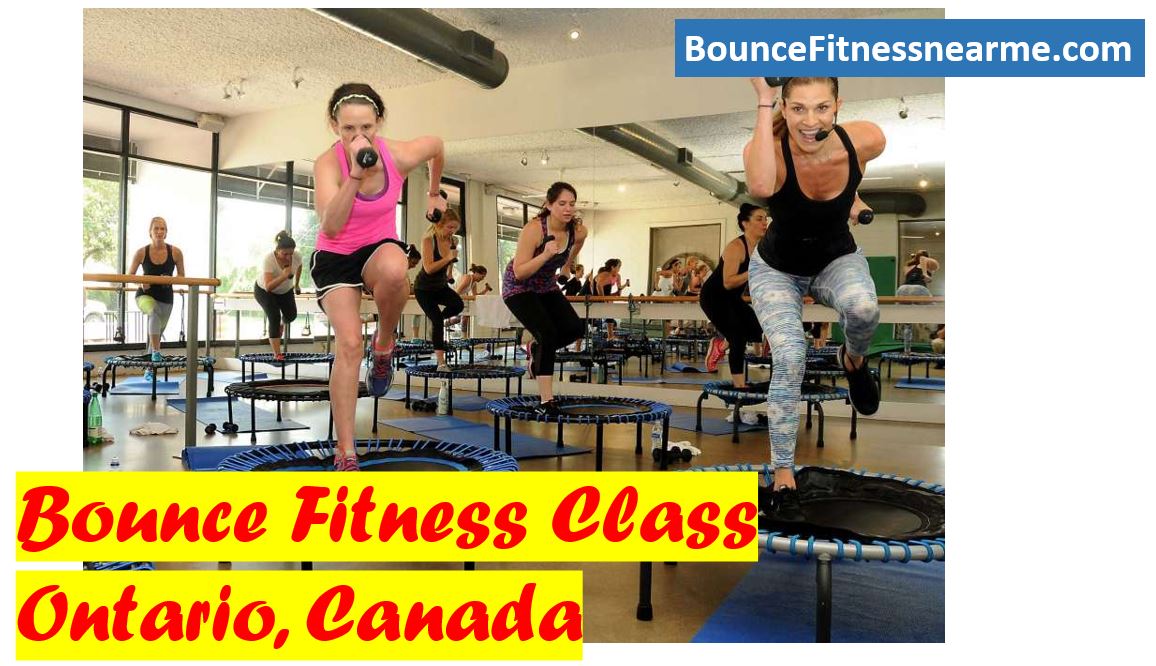
Rebound fitness, also known as trampoline or mini-trampoline workout, has been growing in popularity across Ontario due to its unique Read more

Mini-trampoline fitness, also known as rebounder workouts, has become an increasingly popular way to combine fun with effective exercise. Unlike Read more

Las Vegas, known for its high-energy lifestyle, has embraced this trend by offering a variety of studios that incorporate mini-trampoline Read more

Rebound fitness, also known as mini-trampoline training, has quickly gained popularity for its fun, low-impact approach to full-body exercise. Participants Read more
One thought on “Is bounce fit body good for my joints?”