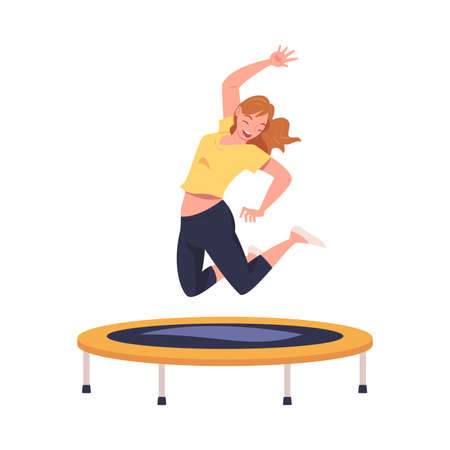

Rebounding—exercise performed on a mini-trampoline—has gained tremendous popularity among older adults due to its unique mix of low-impact movement, cardiovascular benefits, balance enhancement, and joint-friendly support. As the body ages, traditional high-impact activities like running, jumping, or even fast-paced aerobics can place strain on bones, joints, and connective tissues. Rebounding offers a safer alternative, allowing seniors to enjoy an effective workout without overloading the hips, knees, or ankles. Because the trampoline absorbs up to 80% of the impact force, seniors can move with confidence, reducing the likelihood of stress injuries that often come with age.
One of the key advantages of rebounding for seniors is its significant impact on balance and stability, which are among the most important factors in fall prevention. Falls are one of the leading causes of injury among older adults, and many seniors struggle with weakened proprioception—the body’s ability to sense its position in space. Rebounding gently challenges the stabilizing muscles, especially the deep core and ankle stabilizers, helping to improve balance in a safe and controlled environment. Even simple rebounder exercises such as health bounces, side-to-side steps, or gentle marching on the trampoline can strengthen the neuromuscular pathways that help the body react to sudden shifts in balance.
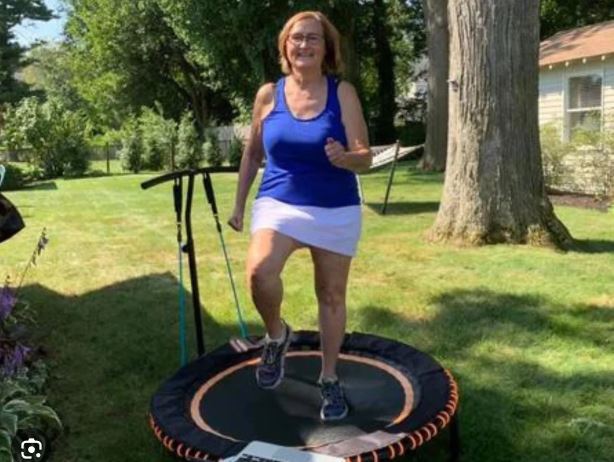
Rebounding also supports bone density, a critical concern for seniors dealing with osteoporosis or age-related bone loss. NASA research famously showed that rebounding places a level of healthy stress on the bones that is more effective for bone stimulation than running. However, because the trampoline absorbs much of the impact, the bones experience only the beneficial stress—not the damaging force associated with harder surfaces. This makes rebounding one of the best low-impact exercises for boosting bone strength while minimizing fracture risks.
In addition to musculoskeletal benefits, rebounding improves cardiovascular health, which is essential for maintaining energy, mobility, and overall wellbeing in older adults. Even mild-to-moderate rebounding sessions can increase heart rate, improve circulation, and enhance lung function. The gentle bouncing motion promotes the movement of lymphatic fluid, which helps the immune system work more efficiently. For seniors, a strong lymphatic system can mean better detoxification, reduced inflammation, and improved overall vitality. Rebounding is one of the few exercises that stimulates lymphatic flow so effectively because it uses the natural effects of gravity and bodily movement.
Benefits of Rebounding for Seniors
1. Low-Impact on Joints
- The mini trampoline absorbs up to 80% of the impact.
- Reduces strain on knees, hips, ankles, and spine.
- Safely suitable for seniors with arthritis or joint sensitivity.
2. Improves Balance & Stability
- Strengthens stabilizer muscles and core.
- Enhances proprioception (body awareness).
- Helps reduce fall risk, which is one of the top concerns for seniors.
3. Supports Bone Density
- Provides gentle “healthy stress” on bones without impact.
- Beneficial against osteoporosis or age-related bone loss.
- NASA studies show rebounding can strengthen bones more efficiently than running.
4. Enhances Cardiovascular Health
- Boosts heart rate safely and effectively.
- Improves blood circulation and lung capacity.
- Suitable for seniors who cannot engage in high-intensity or high-impact cardio.
5. Stimulates the Lymphatic System
- Vertical movement helps lymph flow.
- Improves immune function and helps detoxify the body.
- Supports reduced swelling, inflammation, and fatigue.
6. Strengthens Muscles Gently
- Engages legs, core, glutes, and stabilizers with low strain.
- Helps maintain or rebuild muscle mass, essential for aging adults.
- Supports posture and mobility.
7. Helps With Pelvic Floor Control
- Bouncing activates deep core and pelvic muscles.
- May help reduce urinary incontinence.
- Promotes core stability and spinal support.
8. Improves Mood and Mental Wellbeing
- Releases endorphins.
- Helps reduce anxiety or depression.
- Many seniors say rebounding makes them feel “youthful” and motivated.
9. Adaptable for All Fitness Levels
- Can be done standing, holding a stability bar, or even seated.
- Suitable for beginners, limited mobility seniors, and active older adults.
- Intensity can be adjusted easily.
10. Safe for Rehabilitation
- Helps recover from knee, hip, and back issues.
- Promotes circulation around healing tissues.
- Allows movement with minimal pressure on joints.
11. Fun and Enjoyable
- Encourages consistency because it feels playful.
- Helps seniors stay motivated to exercise.
- Can be done at home or in group classes for social engagement.
Another major advantage of rebounding for seniors is that it can be adapted to all fitness levels. Many seniors feel anxious about starting a new exercise routine due to concerns about injury or physical limitations. With rebounding, modifications are easy: exercises can be performed while sitting, using a stability bar, or keeping movements small and controlled. This flexibility makes rebounding accessible even for seniors with arthritis, limited mobility, early-stage balance issues, or joint pain. Workouts can range from very gentle health bounces to more dynamic routines, depending on comfort and physical capacity. No matter the pace, the body still benefits from improved circulation, enhanced lymphatic function, and increased muscle activation.
Rebounding also promotes mental and emotional wellbeing, areas that are often overlooked in senior fitness. Physical activity in general releases endorphins, which help combat anxiety, depression, and stress. However, the rhythmic, buoyant nature of rebounding amplifies these effects. Many seniors report feeling happier, more energized, and more confident after just a few sessions. The playful movement can even tap into old memories of childhood bouncing, making the exercise feel fun rather than like a chore. This emotional uplift can have broader impacts, helping seniors stay motivated, social, and engaged in other aspects of their lives.
One unique benefit of rebounding is how it strengthens pelvic floor muscles, which is especially important for older adults experiencing bladder weakness or reduced muscular support. The upward and downward motion naturally engages the deep core and pelvic floor without strain. This can lead to better bladder control, improved posture, and greater stability when walking or standing. Strengthening the pelvic floor through rebounding can be life-changing, especially for seniors dealing with discomfort or embarrassment related to daily bladder challenges.
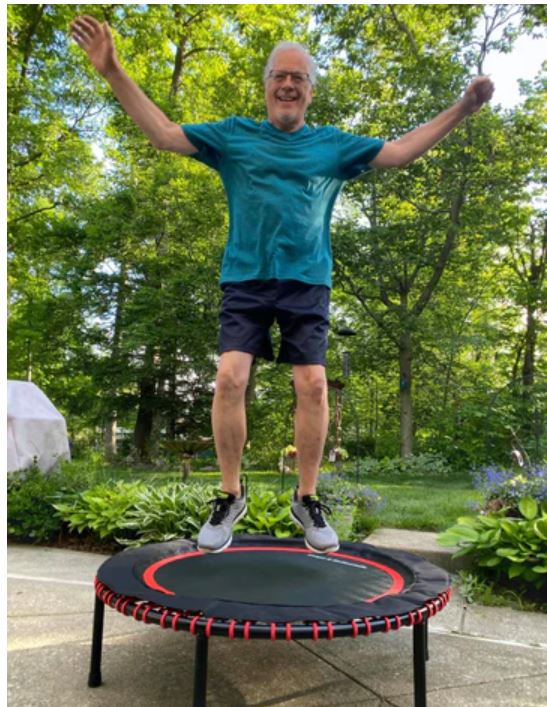
Another area where rebounding shines is joint rehabilitation and recovery. For seniors coming back from knee replacements, hip surgeries, or chronic back pain, heavy-impact movements may not be recommended. Because the trampoline mat gently supports the body and reduces force, rebounding allows seniors to rebuild joint mobility and muscle strength safely. Many physiotherapists incorporate mini-trampoline work into recovery programs for seniors because it helps restore range of motion, muscle coordination, and circulation around healing tissues.
While rebounding is generally safe for most older adults, seniors should always consult a healthcare provider before starting any new exercise routine, especially if they have severe osteoporosis, advanced arthritis, balance disorders, or cardiovascular conditions. Starting slowly is key. With proper instruction, supervision, and gradual progression, rebounding can become a long-term fitness activity that supports aging with strength and confidence.
Cons of Rebounding for Seniors
1. Not Suitable for Severe Balance Issues
- Seniors with advanced vertigo, neurological conditions, or unstable balance may need supervision or may not be suitable.
- Risk of falling if used improperly or without a support bar.
2. Risk of Overexertion
- Even though it feels gentle, rebounding can raise heart rate quickly.
- Seniors with cardiovascular conditions should start slowly and consult a doctor.
3. Requires Proper Equipment
- A cheap or unstable mini trampoline can be unsafe.
- Seniors often benefit from a stability bar, which adds cost.
4. Potential for Dizziness
- The up-and-down motion may cause mild dizziness at first.
- Usually improves with practice, but not ideal for seniors prone to motion sensitivity.
5. Not Recommended for Certain Medical Conditions
Rebounding should be avoided or adjusted if the senior has:
- Severe osteoporosis with high fracture risk
- Uncontrolled high blood pressure
- Recent surgeries without doctor approval
- Severe arthritis flare-ups
- Spinal instability or herniated discs (case-dependent)
6. Learning Curve for New Users
- Requires learning safe mounting and dismounting.
- Some seniors may need assistance in the beginning.
- Movement feels unfamiliar at first.
7. Space Requirements
- Needs floor space and a safe environment clear of obstacles.
- Not ideal for small, cluttered rooms or unstable flooring.
8. Possible Muscle Soreness
- Even low-impact exercise can cause soreness, especially in the calves and core.
- Seniors should increase intensity gradually.
Conclusion
In summary, rebounding is an exceptionally beneficial exercise for seniors. It strengthens bones, improves balance, supports cardiovascular health, boosts lymphatic function, protects the joints, enhances emotional wellbeing, and adapts to nearly any physical ability. Its low-impact nature makes it accessible and safe while still delivering substantial physical benefits. Whether done at home or in a structured class, rebounding offers seniors a fun, effective, and sustainable way to stay active. For many older adults, it becomes one of the most enjoyable parts of their fitness routine—one that keeps them moving, motivated, and supported well into their later years.
Other related articles
Bounce Fitness mini Trampoline in Montreal Canada 4 Top Rebounders Work out Studios near you
Is bounce fit body good for my joints?
Bounce Fitness mini Trampoline in Utah USA Top Rebounders Work out Studios
What are the disadvantages of mini trampoline exercise?
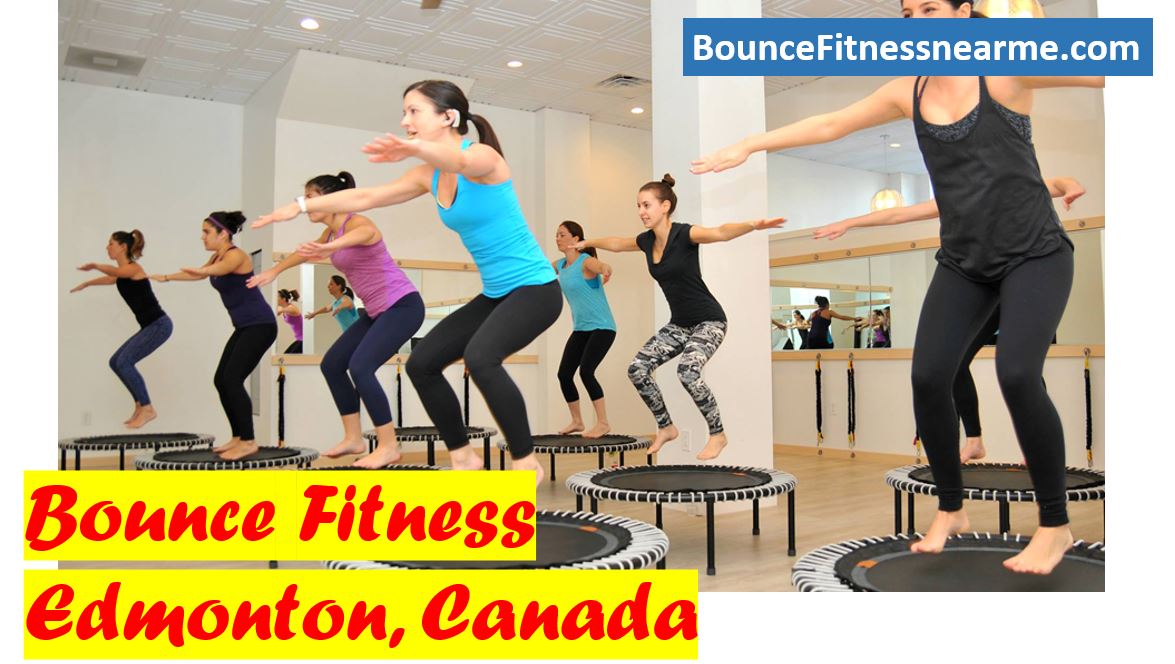
In Edmonton, studios like Soar Bounce Fitness, Studio B Fitness, and LaunchPad Trampoline Park are at the forefront of this Read more
Bounce-fitness (mini-trampoline / rebound-style) workouts are a fun, low-impact form of cardio that are ideal for people wanting a workout Read more
Rebound fitness, also known as trampoline or mini-trampoline workout, has been growing in popularity across Ontario due to its unique Read more
Mini-trampoline fitness, also known as rebounder workouts, has become an increasingly popular way to combine fun with effective exercise. Unlike Read more
Las Vegas, known for its high-energy lifestyle, has embraced this trend by offering a variety of studios that incorporate mini-trampoline Read more
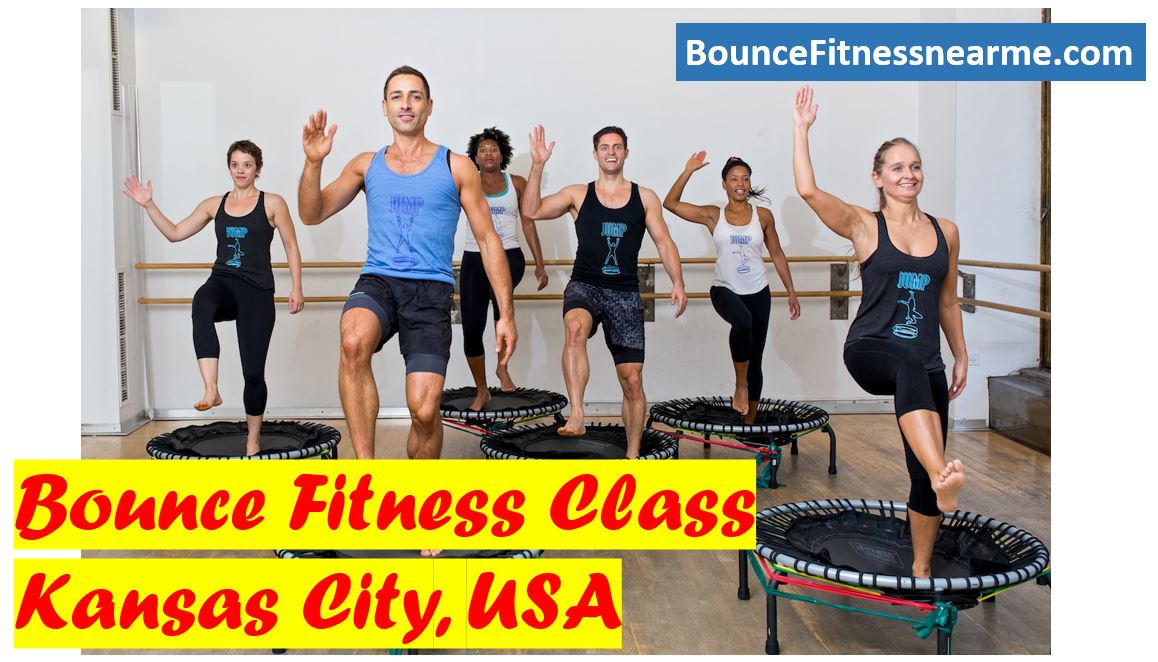
Rebound fitness, also known as mini-trampoline training, has quickly gained popularity for its fun, low-impact approach to full-body exercise. Participants Read more
One thought on “Is Rebounding exercise with mini Trampoline good for Seniors?”